Schedule a free call
Free · no commitment · no documents · by video or phone, at a time you pick
 Covered by your country's public health service under the Cross Border Directive.
An enlarged prostate can mean broken nights and a constant search for a toilet, and the public wait for an operation is often long.
Your prostate operation without the public wait: a fixed price in a private hospital in another EU country, paid back by your public health service. The hospital, the surgeon, the price and your stay are in writing before you decide.
Free · no commitment · no documents · by video or phone, at a time you pick


Your right under EU law since 2011
290,000claims paid back to patients across Europe in 2024
Your rights under the schemeHow long you wait for a prostate operation depends on where you live: waiting times differ widely between EU countries, and between regions within a country. We look at your own wait with you.
Your own public health service's published waiting times; no single European figure is quoted here
Eight steps from the first conversation to your refund. You commit at step 4, not before.
Before you commit
Stop at any time, at no cost
You
Schedule a free call, by video or phone, at a time you pick. We check your country's rules with you and tell you how the route works for a prostate operation.
You · about 15 minutes
Your details and documents, uploaded securely. You usually need a referral for a prostate operation from your own doctor, or a letter showing you are on a public waiting list for it; we tell you what your country asks for.
Ablement · within 1 to 2 working days
You get a clear yes or no on whether you are eligible for a prostate operation in another EU country, checked against your country's rules.
Ablement · within 5 working days of a complete file
We ask the hospitals and send you one written proposal: the hospital, the surgeon, the price of your prostate operation, the dates and your expected refund.
After you commit
We stay with you to the refund
The hospital
The hospital confirms your date in writing within 10 working days of your acceptance, and then you book your travel. Plan to be away for your nights in hospital and a few more days nearby; the hospital's written plan says how many.
The hospital
You meet your surgeon before the operation, by video before you travel or in person at the hospital, as your country's rules and the hospital allow. You have your operation and fly home when the surgeon says you are fit to fly. You pay the hospital directly and send us the documents for your claim.
Ablement · within 5 working days of your return
We send your signed claim to your public health service and follow it until you are paid. How long the decision takes depends on your country; we tell you before you decide.
Your own doctor
Your own doctor and the public system take over, as if you had the operation at home. Show your doctor the discharge report; they can refer you to a public urologist if you need one.
One contact person, from the first conversation to the refund.
Easy to reach at every step. A family member can join every call.
Nothing. The hospital that treats you pays us a referral fee.
One fixed price for your prostate operation, in writing before you commit. You pay the hospital directly, before your public health service pays you back.
Pays you back up to what a prostate operation costs in the public system at home, under your country's own rules.
Your country's public health service pays back the cost of your treatment up to what a transurethral resection of the prostate costs in a public hospital at home, under your country's own rules. The money is paid to you after the treatment, into your own account; flights, your hotel and the costs of anyone who travels with you are not included. Whether your country asks for permission in advance, called prior authorisation, we check with you on the call. The hospital's price is fixed in writing before you say yes, and if no hospital offers a price the refund covers, we show you the difference in writing and the choice is yours.
What is paid back, and when
Kaare Beck-Fischer, Chief Executive Officer
No commitment and no documents needed.
Free · no commitment · no documents · by video or phone, at a time you pick
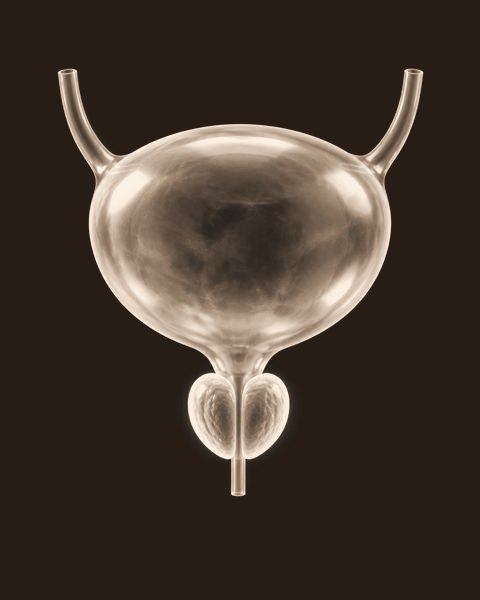
The usual operation for an enlarged prostate, a transurethral resection, treats the benign enlargement that comes with age and makes it hard to pass water; it is not a cancer operation. Under a general or a spinal anaesthetic, the surgeon passes a thin instrument along the urine passage and removes the inner part of the prostate that presses on it, with no cut in the skin. The operation usually takes under an hour.
Afterwards a thin tube, a catheter, drains the bladder for a short time while the inside heals, and it is removed before you leave. Passing water becomes easier within days, and the flow and the broken nights improve over the following weeks. The surgeon explains the side effects to expect, such as a change in ejaculation, before you decide.
Short answers to what people ask us most. Open a question to read the answer.
All frequently asked questionsYour question isn't here?
Ask us in the chat Or send us a message from the Contact pageMainly operations for an enlarged prostate that makes it hard to pass water, where part of the prostate is removed or treated from the inside, without a cut from outside. If your specialist has recommended a different prostate operation, ask us; we check whether the hospital offers it.
That depends on the hospital's plan for you, which you see in the written proposal before you accept. You may have a catheter, a thin tube that drains urine, for a short time afterwards. After you leave the ward you stay near the hospital for a few more days, until the hospital has checked that you pass water normally and the surgeon says you are fit to fly.
Once you are home, your own doctor and your public system look after you, just as if you had the operation at home. Show your own doctor the discharge report; your doctor can refer you to a public urologist if you need one. If something feels urgent, go to an emergency department. If you need to reach the hospital, we help you do that, and the hospital's written terms say what it does about complications.
No. The Cross Border Directive does not ask you to leave a waiting list to use it, and you stay on it until you have been treated. Once your operation is done abroad, you let your hospital at home know, so it can take you off the list. If you change your mind before then, nothing has changed at home.
Yes. You pay the hospital directly, and your public health service pays you back afterwards; how long that takes depends on your country, and we tell you before you decide. Some people use savings or help from their family. We do not lend money or arrange loans, and no money of yours passes through us.
You see the hospital and the surgeon's name in writing before you decide anything, and you have a consultation with the surgeon before the operation, by video or in person as your country's rules require. Every hospital we work with must be registered with its country's health authorities, use surgeons who specialise in the operation, give its price and its terms on complications in writing, and give you an English-speaking contact person. The hospital that treats you is responsible for your care, and it must have a complaints procedure. We help you deal with the hospital, and at home your own doctor takes over as after any operation.
There is no catch. The hospital that treats you pays us a referral fee; you never pay us anything, and the hospital's price is fixed in writing before you accept. You can stop at any time before you sign with the hospital.
The Cross Border Directive is EU law, and 290,000 claims were paid back across Europe in 2024 alone. The refund is yours when your country's rules are met: usually a referral, any permission your country asks for in advance, the itemised invoice and your receipt. We check your country's rules with you before you pay anything, and we prepare the claim with you.
Yes. A family member can join every call and meeting, be named on your Consent Form and travel with you. Their travel and hotel are your own cost.
One free call, by video or phone. No commitment and no documents.

by video or phone, at a time you pick
Already spoken with us? Start your case →